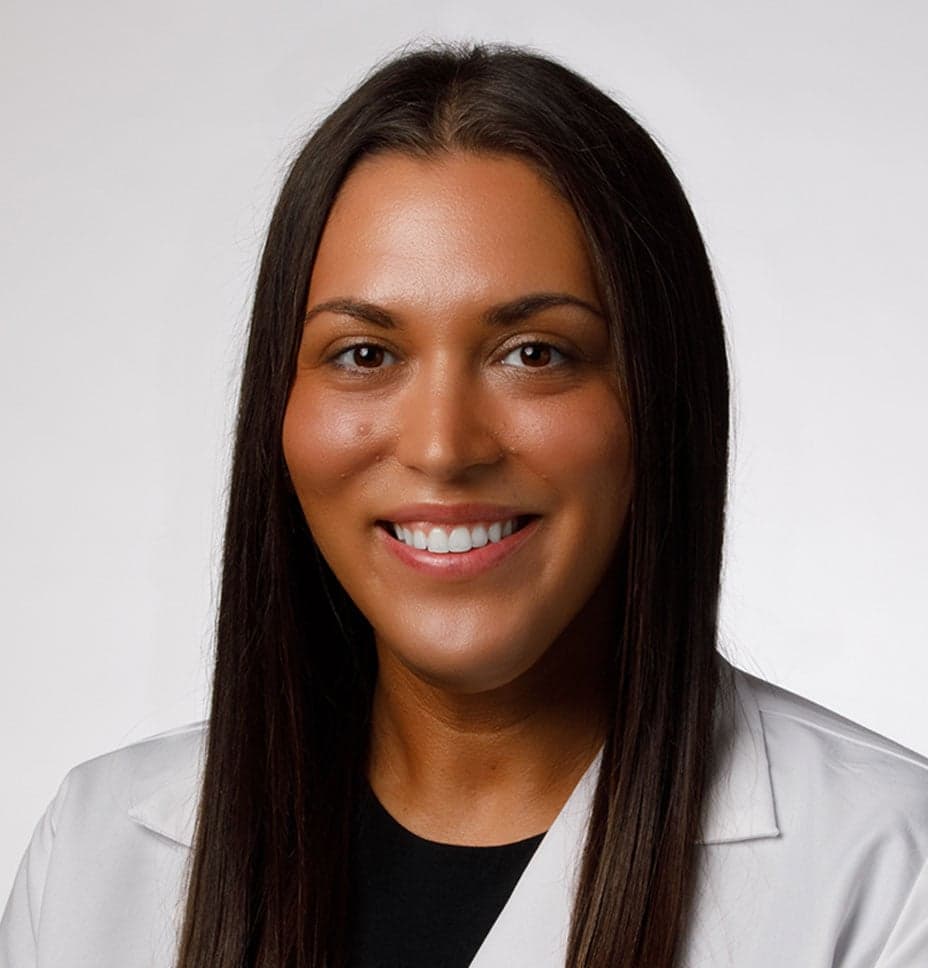
Emily Suvock
Gastroenterology

Gastroenterology

Colorectal cancer is one of the most preventable cancers when detected early, yet thousands of people delay or skip screening because of fear, embarrassment or uncertainty about what to expect.
Understanding the process and knowing what to expect can make all the difference in protecting your health for years to come.
A colonoscopy is a medical procedure that allows your doctor to examine the inside of your colon and rectum using a flexible, camera-equipped tube called a colonoscope. It helps identify abnormalities like polyps, inflammation or signs of cancer. If needed, your doctor can remove polyps or take tissue samples during the procedure.
This procedure is done under sedation for your comfort. It’s the most reliable way to screen for and prevent colorectal cancer, detecting and removing polyps before they become dangerous.
Most colorectal cancer is preventable. Colonoscopy proves it — this screening finds and removes precancerous polyps before they become cancer. Everyone should start screening at age 45, but you may need it sooner. Your primary care provider will give you a referral for a colonoscopy when it’s appropriate for you to have one.
Start screening now if you’re 45 or older, have family members who’ve had colorectal cancer or polyps, live with inflammatory bowel disease or carry genetic conditions that raise your risk. Get evaluated immediately if you’re experiencing rectal bleeding, persistent bowel changes, abdominal pain that won’t go away or unexplained weight loss. Continue surveillance if you’ve had polyps removed before or if your doctor recommends ongoing monitoring.
Waiting doesn’t make problems go away; it makes them worse. Colonoscopy detects cancer when it’s most treatable or stops it before it starts.
Proper preparation ensures the best results. Your doctor will provide detailed instructions, but in general:
During the procedure, you’ll be comfortably sedated. Your doctor will gently insert the colonoscope into your colon through the rectum to examine its lining. The camera allows your doctor to inspect for abnormalities.
If polyps or suspicious areas are found, they can be removed or biopsied during the procedure, ensuring a comprehensive evaluation in one visit.
After the procedure, you’ll spend some time in recovery while the sedation wears off. It’s normal to feel some bloating or mild cramping, but these symptoms usually resolve quickly. You’ll need a trusted adult to drive you home, and you can resume your normal activities the next day.
Your doctor will discuss any findings and next steps with you and provide clear instructions for follow-up care, if needed. Most patients are relieved to learn the procedure was easier than they expected.
Colonoscopy is widely recognized as the gold standard for colorectal cancer screening and offers distinct advantages over other screening methods:
Colonoscopy offers the most comprehensive protection against colorectal cancer available, combining screening, prevention and diagnosis in a single procedure.
Is a colonoscopy painful?
No. You receive sedation before the procedure begins, keeping you comfortable and relaxed throughout. Most patients don’t remember the procedure and report no pain. You may feel mild bloating afterward as gas passes, but this resolves within hours.
How long does the bowel prep take?
Bowel prep begins the evening before your colonoscopy. You’ll drink a prescribed solution that causes frequent bowel movements to clean your colon. Most people split the prep into two doses for better results and easier tolerability. Plan to stay home near a bathroom for several hours during the active prep phase.
What happens if polyps are found?
Your doctor removes polyps during your colonoscopy and sends them for lab analysis. Removing polyps prevents them from potentially becoming cancer; this is how colonoscopy saves lives. You’ll receive results within days, and your doctor will recommend a follow-up schedule based on the findings.
How often do I need a colonoscopy?
Every 10 years, if your colonoscopy is normal with no polyps found. If polyps are discovered and removed, you’ll need screening every 3 to 5 years, depending on their size and type. High-risk patients may need even more frequent monitoring based on individual circumstances.
Is colonoscopy covered by insurance?
Most insurance plans and Medicare cover screening colonoscopies at no cost for eligible patients. If polyps are removed, the procedure may be billed as diagnostic, potentially involving cost-sharing. Contact your insurance provider before your appointment to understand your coverage.
How long is the recovery?
You’ll rest for about an hour after your procedure while sedation wears off, then go home. Most people return to normal activities the next day. Mild bloating or gas may occur but passes quickly.
Can I drive home?
No. Sedation makes driving unsafe for 24 hours. You must arrange for a responsible adult to drive you home and stay with you afterward. Your procedure cannot happen without confirmed transportation.
What if I can’t complete the prep?
Call your doctor’s office immediately if you’re struggling with prep or experiencing severe symptoms. An incomplete prep means your procedure may need to be rescheduled because your doctor won’t be able to see clearly. Your care team can help you complete the prep successfully.
 Gastroenterology Providers
Gastroenterology
Gastroenterology

Gastroenterology

Gastroenterology
Gastroenterology
Gastroenterology
 Gastroenterology Locations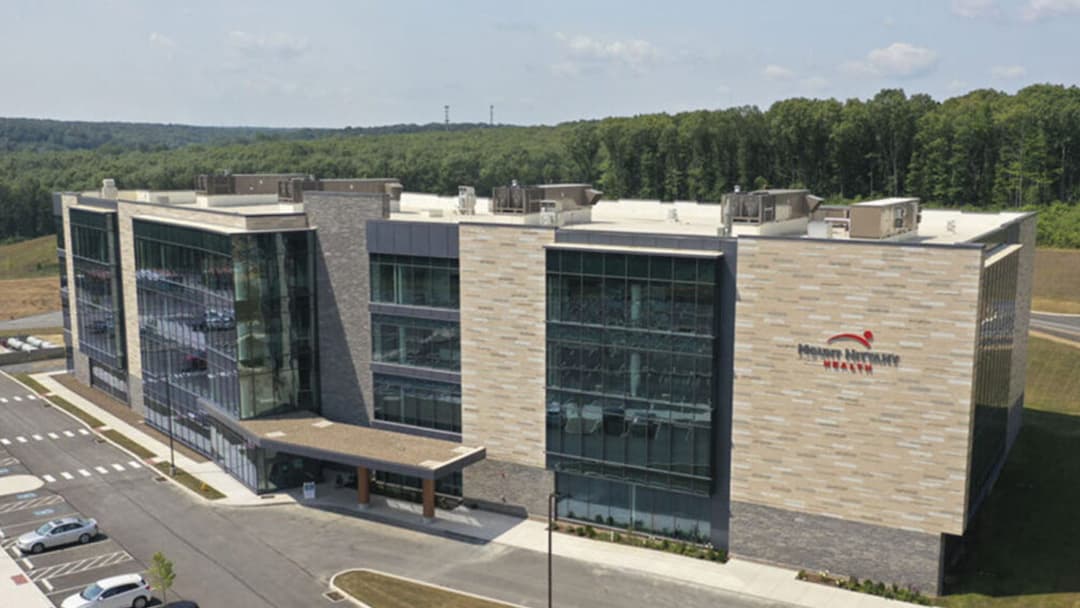
164 Greenview Drive Suite 445 State College PA 16803-2106