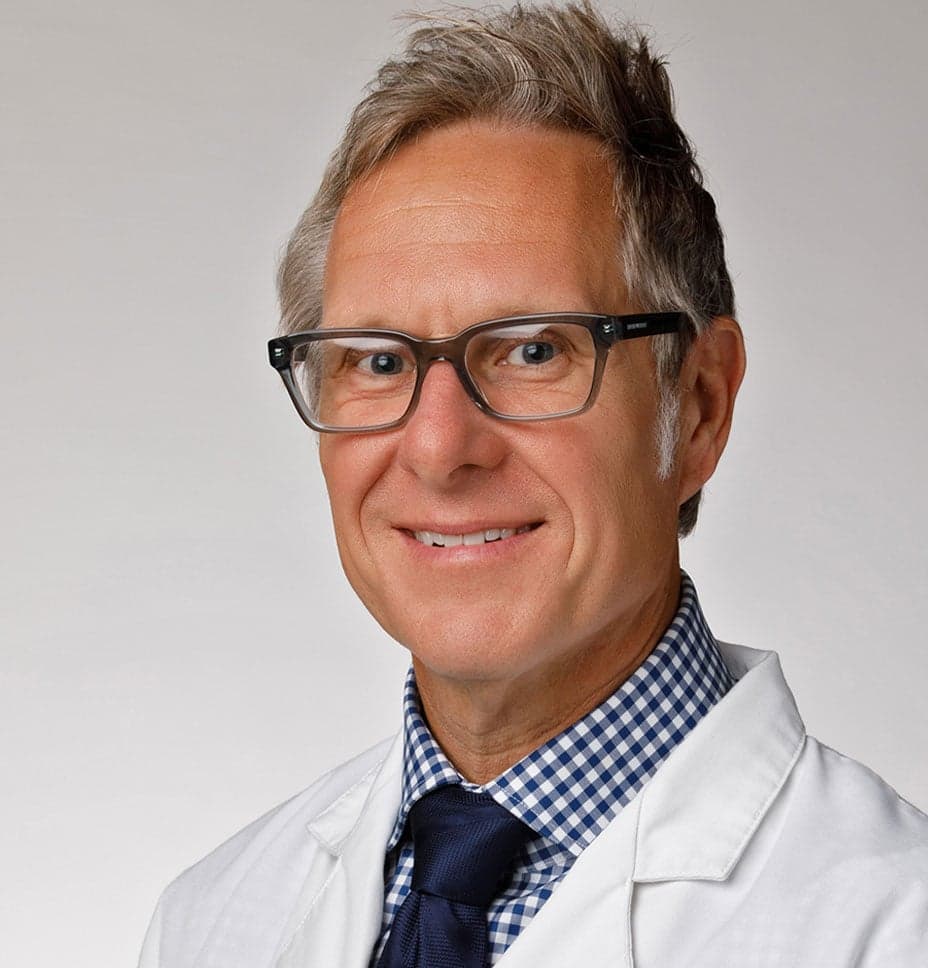
Christopher Kocher, MD
Cardiovascular Care

Cardiology

A heart arrhythmia happens when your heart beats too fast, too slowly or with an irregular rhythm. Instead of following a steady, coordinated pattern, your heart’s electrical signals become disrupted, which can make your heartbeat feel uneven or out of sync.
Heart arrhythmias can affect people of all ages. You may notice palpitations or fluttering in your chest, dizziness, shortness of breath, fatigue or fainting. In some cases, you may not notice symptoms at all. They may be linked to heart disease, high blood pressure, stress, medications or other health conditions.
With the right evaluation and care, many arrhythmias can be monitored, managed or treated so you can continue living a healthy, active life with confidence.
Heart arrhythmias occur when the electrical signals that control your heartbeat don’t work properly. These disruptions can be caused by a variety of factors, including underlying heart disease, previous heart attacks, high blood pressure or heart valve problems.
Other causes may include electrolyte imbalances (such as low potassium or magnesium), thyroid disorders, certain medications, excessive caffeine or alcohol use, smoking, stress and sleep apnea. In some cases, arrhythmias develop without a clear cause, even if you are otherwise healthy.
There are several types of heart arrhythmias, classified by whether your heart beats too fast, too slow or irregularly.
Each type of arrhythmia is different. That’s why an accurate diagnosis is essential to guide the right treatment for you.
Symptoms of a heart arrhythmia can vary widely and may come and go. Common symptoms include:
You should contact a healthcare provider if you experience ongoing or unexplained symptoms such as heart palpitations, dizziness, shortness of breath or fatigue. Seek immediate medical attention if symptoms are severe, sudden or accompanied by chest pain, fainting or difficulty breathing, as these may signal a serious heart rhythm problem.
If not treated, some arrhythmias can lead to complications. Depending on the type and severity, these may include blood clots, stroke, heart failure or sudden cardiac arrest. Chronic arrhythmias can also weaken your heart over time, making it harder to pump blood effectively.
Early diagnosis and appropriate treatment can significantly reduce the risk of complications and help protect your long-term heart health.
Diagnosing a heart arrhythmia begins with a thorough medical history and physical exam. Your provider may ask about symptoms, lifestyle factors and family history of heart disease.
Common diagnostic tests include:
These tests help your care team understand your heart rhythm and determine the best next steps for treatment.
Your treatment plan depends on the type of arrhythmia you have, how severe it is and what’s causing it. Some arrhythmias do not require treatment and can be safely monitored. Others may need care to control your heart rate, restore a normal rhythm or reduce the risk of complications.
Treatment options may include:
Your care team will work closely with you to create a treatment plan tailored to your needs, your health and your life — so you can feel confident trusting your heart care to experienced specialists.
 Cardiovascular Care Providers
Cardiovascular Care
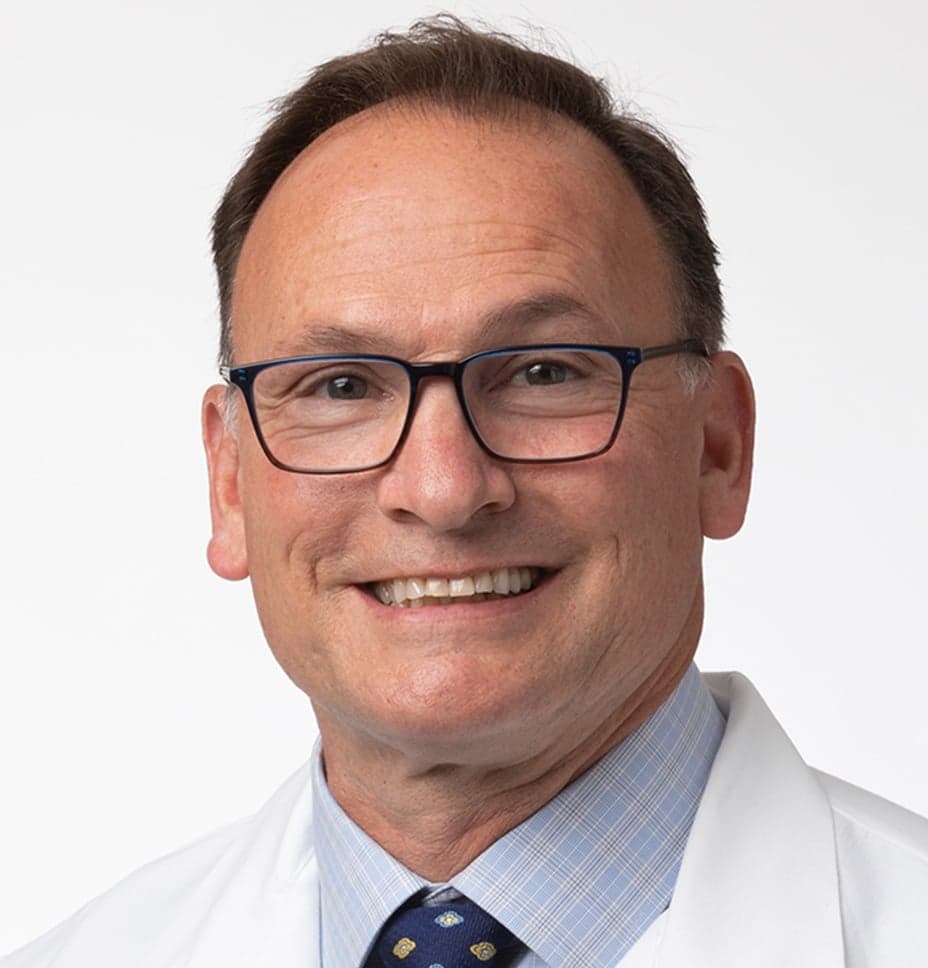
Cardiovascular Care

Cardiovascular Care
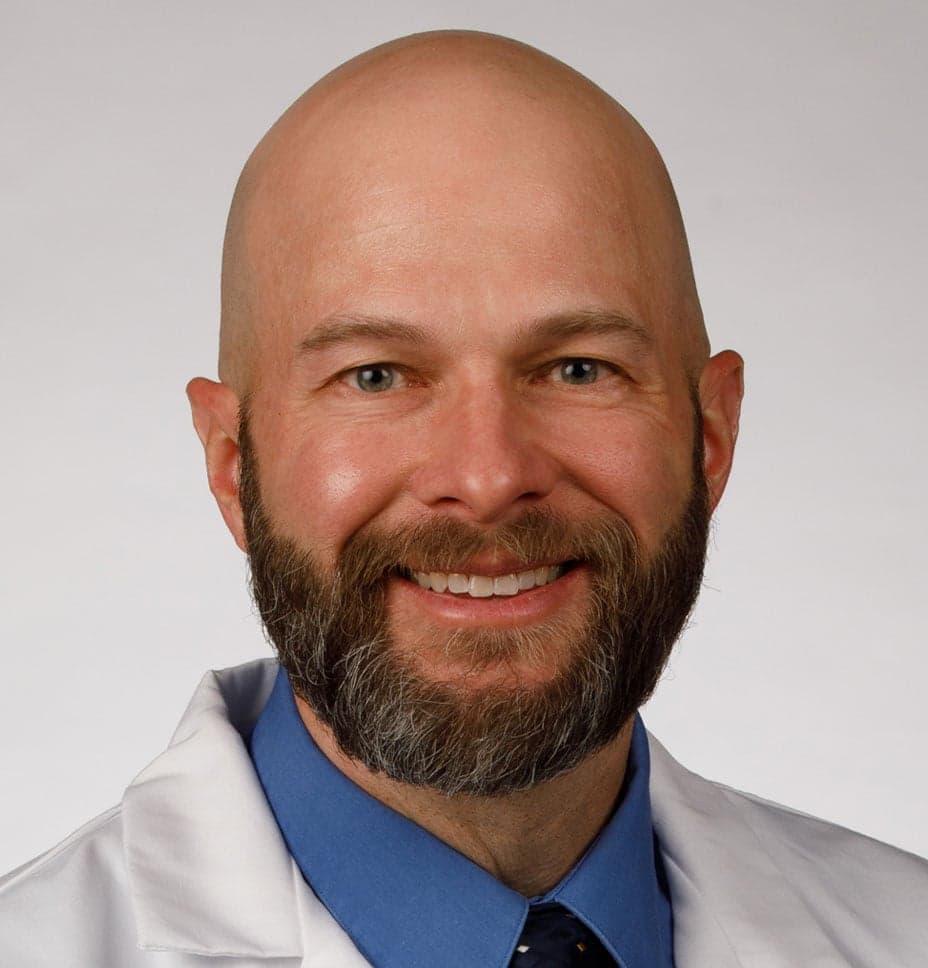
Cardiovascular Care
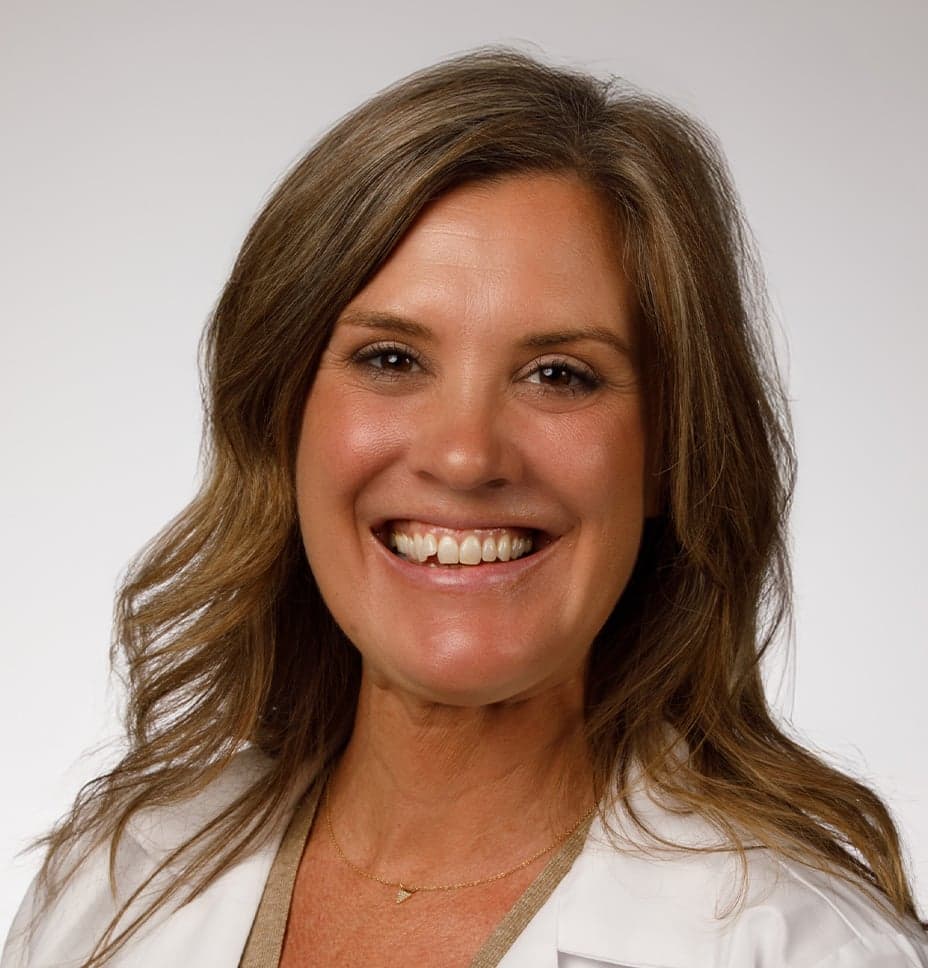
Cardiovascular Care
Cardiovascular Care
Cardiovascular Care

Cardiovascular Care

Cardiovascular Care
Cardiovascular Care

Cardiovascular Care
 Cardiovascular Care Locations
143 Hospital Drive Suite 201 State College PA 16803-5500

3631 Penns Valley Road Spring Mills PA 16875-8011

1061 N Front Street Ste 2 Philipsburg PA 16866-8257